The living room is usually the first part of a home that people notice. It is where guests sit, families spend time together, conversations continue over a cup of tea, and quiet evenings turn into movie nights.
That is what makes living room design a little different from decorating any other room. It is not only about choosing a beautiful sofa or putting an attractive TV unit on the wall. A good living room should look inviting, feel comfortable and work well for everyday life.
For Indian homes especially, the living room often has to do several things at once. It may be a place for family time during the week, a space for entertaining guests on weekends and a gathering spot during festivals and special occasions.
So, what actually makes a living room beautiful? It is the balance between style, comfort, functionality and personality.
At Amandeep Interiors, we believe a beautiful living room does not have to follow every trend. It should reflect the people who live in it. The right colours, furniture, lighting, textures and décor can turn an ordinary room into a space that feels naturally like home.
Here are some simple and practical living room interior design ideas to help you create that feeling.
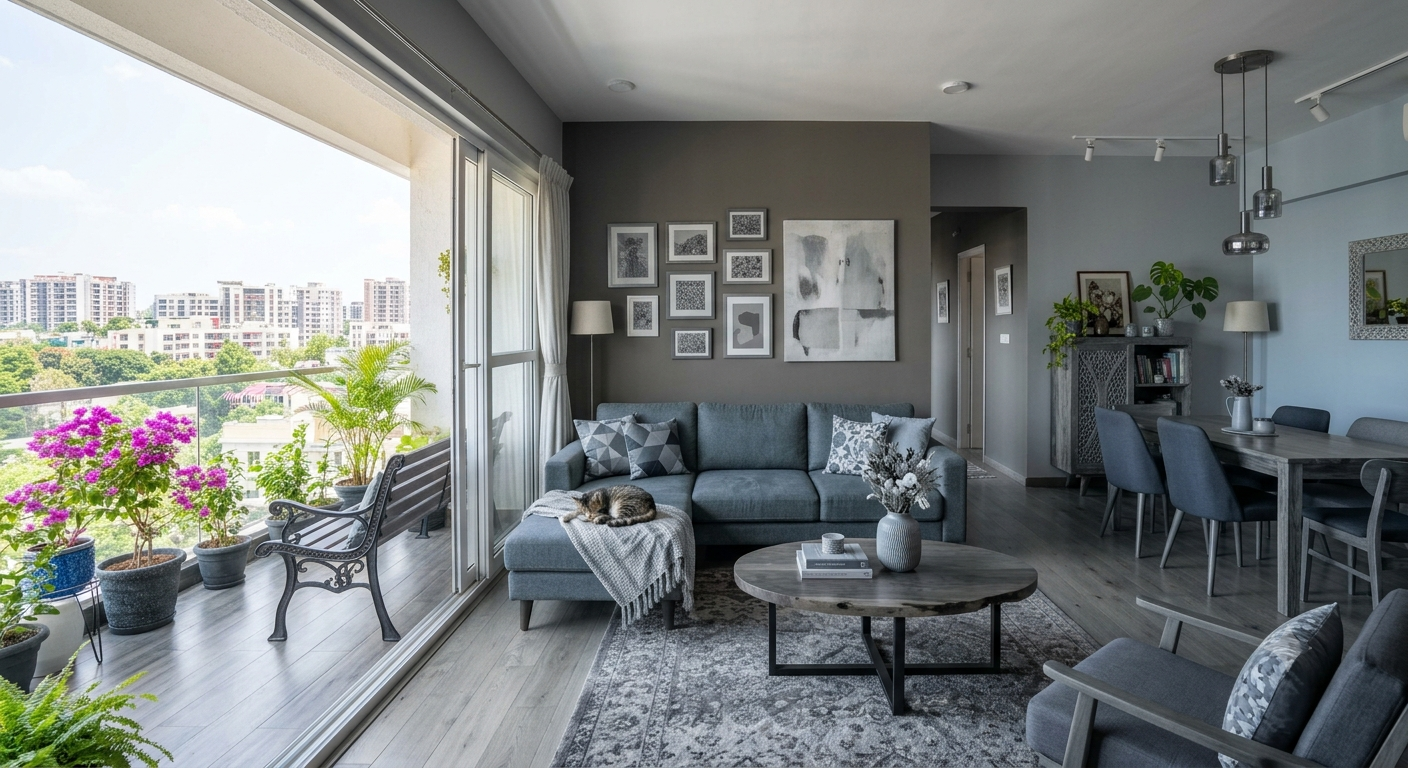
What Makes a Living Room Beautiful?
A beautiful living room is not necessarily the biggest or most expensive one. Sometimes, a simple room with the right sofa, warm lighting and a few carefully selected pieces of décor can feel far more welcoming than a room filled with expensive furniture.
The first thing to consider is how you actually use the room. Do you spend most evenings watching television? Do you regularly have guests over? Is the room connected to your dining area? Do children use the space? Do you need additional storage?
These questions matter because good interior design starts with real life. Once the purpose of the room is clear, everything else becomes easier to plan — from the furniture layout to the colour palette and lighting.
1. Start With the Right Living Room Layout
Before choosing colours, décor or furniture, think about the layout. Furniture that looks beautiful individually may not work well when everything is placed together. A large sofa can make a compact room feel crowded, while furniture that is too small can make a spacious room feel empty.
Start with the main seating area. The sofa is usually the largest piece of furniture in the living room, so it should be chosen according to the size and shape of the space. Leave enough room to move comfortably around it and avoid blocking doors, windows or natural pathways.
For a smaller living room, an L-shaped sofa can make good use of a corner while providing plenty of seating. In a larger room, a combination of a sofa and accent chairs can create a more balanced arrangement.
People should be able to sit, talk and move around without the room feeling cramped. Furniture placement should also consider doors, windows and walking paths rather than simply pointing every seat toward the television.
2. Choose a Colour Palette That Feels Natural
Colour can completely change the mood of a living room. While white, grey and beige have been popular choices for modern interiors, Indian homes are increasingly using warmer shades such as beige, earthy brown, terracotta, olive and muted greens. These colours work particularly well with wood, natural fabrics and warm lighting.
You do not have to paint the entire room in a bold colour. Instead, keep the larger elements relatively neutral and introduce stronger colours through cushions, curtains, artwork, rugs or an accent chair. For example:
- Beige walls with wooden furniture
- Warm white walls with olive-green accents
- Cream upholstery with terracotta cushions
- Soft brown tones with natural wood
- Neutral walls with one textured feature wall
A simple colour palette also makes it easier to change the look of the room later without replacing everything.
3. Let the Sofa Set the Tone
The sofa is often the visual and functional centre of a living room. Instead of choosing one simply because it looks good in a showroom, consider its size, fabric, colour, comfort and maintenance.
For a family home, a practical fabric that is easy to clean may be more useful than a delicate material. If the room is small, a lighter-coloured sofa with a streamlined shape can help maintain an open appearance. If you want the sofa to become a statement piece, you can experiment with deeper shades such as green, blue or warm brown.
The important thing is to make sure the sofa works with the rest of the room. A beautiful sofa that feels uncomfortable after ten minutes is not really a good choice.
4. Create a Focal Point
Every living room benefits from having something that naturally catches attention. This could be:
- A well-designed TV unit
- A textured feature wall
- A large piece of artwork
- A statement light
- A beautiful window
- A bookshelf
- A stone or wood accent wall
The mistake is trying to make every wall a feature. When too many things compete for attention, the room can start feeling busy. Instead, choose one main focal point and allow the rest of the room to support it. Sometimes, leaving a little empty space is what makes a design look more refined.
5. Use Lighting to Change the Mood
Lighting is one of the most underrated parts of living room interior design. A single ceiling light can brighten a room, but it usually does not create much atmosphere. A better approach is to combine different types of lighting:
- Ambient lighting for general illumination.
- Task lighting for activities such as reading.
- Accent lighting to highlight artwork, shelves, walls or architectural details.
Floor lamps, pendant lights, wall lights, recessed lights and concealed LED strips can all be used together to create different layers of light. Warm lighting is particularly useful in the evening because it can make neutral colours, wood and textured surfaces feel much softer.
6. Add Warmth With Wood and Natural Materials
If a living room feels too plain, natural materials can make a noticeable difference. Wood is one of the easiest ways to bring warmth into a modern interior. It can be used for the TV unit, wall panels, coffee table, shelves, side tables or even small decorative elements.
You can also introduce:
- Cane and Rattan
- Linen and Jute
- Stone and Ceramic
- Natural fabrics
These materials add texture without making the room feel overly decorated. Natural elements are also becoming increasingly popular in Indian living room designs, particularly when combined with warm colour palettes and simple furniture.
7. Don't Ignore the Rug
A rug may seem like a small detail, but it can bring the entire seating area together. A common mistake is choosing a rug that is too small for the furniture — instead of looking connected, the sofa, chairs and coffee table appear like separate pieces.
Ideally, the rug should help define the seating area. For a neutral living room, a patterned rug can add some personality. If your walls or furniture already have strong patterns, a simple rug may work better. The goal is not to make the rug the star of the room — it should quietly connect the different elements.
8. Add Curtains That Complement the Room
Curtains are another detail that can change the overall appearance of a living room. Floor-length curtains generally give the room a more finished appearance, while sheer curtains can help soften natural daylight.
For a calm and modern look, consider neutral shades such as off-white, beige, sand, light grey or warm brown. If the rest of your living room is fairly simple, curtains can also be used to introduce a subtle pattern or colour. Most importantly, think about function — the curtains should provide the amount of privacy and sunlight control your room actually needs.
9. Make the TV Wall Part of the Design
The television often occupies a large portion of the living room, so treating it as an afterthought can affect the entire design. Instead of simply mounting the TV on an empty wall, consider making the TV unit part of the overall interior.
A combination of wood, textured finishes, open shelves and concealed storage can make the wall look more intentional. For smaller homes, wall-mounted units can also help keep the floor area visually open. A clean TV unit with a few well-chosen decorative elements can often look better than a heavily packed wall.
10. Use Décor, But Don't Overdo It
Décor is what gives a living room personality. Family photographs, books, artwork, plants, vases and small objects can make the space feel personal. But more décor does not automatically mean better design.
If every shelf, table and wall is covered with something, the room can quickly feel cluttered. Instead, select a few things you genuinely like. A large artwork can have more impact than five small frames placed randomly. One beautiful vase can look better than a collection of objects competing for attention.
Decorate with intention. Current design advice increasingly favours curated spaces with negative space rather than rooms filled with small decorative objects.
11. Bring in a Little Greenery
Plants can instantly make a living room feel fresher. You do not need to turn the room into a garden. Even one large indoor plant in an empty corner or a few smaller plants on shelves can add life to the space.
Depending on your room and the amount of natural light available, options such as snake plants, money plants and other low-maintenance indoor varieties can work well. Plants also introduce another natural colour and texture without requiring major changes to the interior.
12. Think About Storage From the Beginning
A beautiful living room becomes difficult to enjoy when everyday things have nowhere to go. Remote controls, books, toys, chargers, magazines and other small items can quickly create visual clutter. This is why storage should be considered during the design stage rather than added later.
You can use:
- TV units with closed cabinets
- Storage ottomans
- Built-in shelves
- Sideboards
- Floating shelves
- Concealed storage units
For smaller Indian homes, multifunctional furniture and smart storage can be especially useful because the same room often needs to serve several purposes.
13. Design According to the Size of Your Room
There is no single living room design that works for every home.
Small Living Room
For a compact living room, focus on keeping the layout open. Choose furniture that fits the room rather than trying to recreate a large living room in a smaller space. Wall-mounted TV units, multifunctional furniture, mirrors and lighter colours can help the room feel more spacious.
Medium-Sized Living Room
A medium-sized room gives you more flexibility. You can combine a comfortable sofa with accent chairs, a coffee table and a compact entertainment unit. This is also a good size for experimenting with a feature wall or statement lighting without overwhelming the space.
Large Living Room
Large rooms need balance. Simply placing more furniture around the room does not necessarily make it look better. Instead, consider creating separate zones — one side can be the main seating area while another corner can become a reading space or a small conversation area. This makes a large room feel intentional rather than empty.
14. Make Your Living Room Feel Like Your Home
A living room should not look like a showroom. It should have some connection to the people who live there. Maybe it is a collection of family photographs. Maybe it is a painting bought during a trip. Maybe it is a favourite chair that has been in the family for years.
These small personal details are often what make a beautiful interior feel authentic. Trends can provide inspiration, but your lifestyle should make the final decisions.
15. Don't Follow Every Interior Trend
Interior design trends can be useful, but they should not control your entire home. For example, warm earthy colours, curved furniture, natural materials and statement lighting are currently appearing frequently in Indian living room design inspiration. But that does not mean every living room needs all of them.
Choose trends that fit your home and your personality. A timeless base with a few contemporary details is often easier to live with than a room where every element follows the latest trend.
Common Living Room Design Mistakes to Avoid
Even a good design can lose its impact because of a few simple mistakes.
- Choosing furniture that is too large — Always consider the actual dimensions of the room before buying.
- Using too many colours — A few complementary colours usually create a calmer, more cohesive appearance.
- Depending on one light — Layered lighting creates much more depth and flexibility.
- Filling every empty wall — Empty space is not wasted space. It helps important design elements stand out.
- Buying décor without a plan — Choose pieces that have a purpose or personal meaning.
- Ignoring everyday use — A living room should be beautiful, but also comfortable enough for daily life.
A Simple Formula for a Beautiful Living Room
If you are unsure where to start, keep the process simple. Start with these five things:
- Plan the layout — Understand how people will move through and use the room.
- Choose the main furniture — Select the sofa and other large pieces according to the available space.
- Decide on your colour palette — Keep the main colours simple and add personality through smaller elements.
- Layer the lighting — Combine general, task and accent lighting wherever possible.
- Finish with personal details — Add artwork, plants, photographs, cushions, books and décor that actually mean something to you.
This approach helps prevent the room from feeling like a collection of unrelated purchases.
Why Professional Living Room Interior Design Can Make a Difference
Sometimes you know what you like, but bringing everything together is difficult. You may have saved dozens of living room images from Pinterest or Instagram but still not know which ideas will work in your own home.
This is where professional interior design can help. An interior designer considers the room's dimensions, natural light, furniture proportions, storage requirements, electrical points, materials, colours and your everyday lifestyle before putting the design together.
At Amandeep Interiors, our approach is to create spaces that are not only visually appealing but also practical for everyday living. The goal is not to copy someone else's living room — it is to understand your space and create something that feels right for you.
Final Thoughts
A beautiful living room does not come from adding more and more things. It comes from making thoughtful choices. The right sofa. A comfortable layout. Colours that feel good in the space. Warm and layered lighting. A little greenery. Useful storage. A few personal pieces.
When these elements work together, even a simple living room can feel special. And perhaps that is what good interior design should do — not just make a room look beautiful, but make you want to spend time in it.
If you are planning a new living room, renovating your existing space or simply looking for fresh living room interior design ideas, start by thinking about how you want the room to feel. The rest can be designed around that.
Frequently Asked Questions
A beautiful living room usually has a balanced combination of comfortable furniture, a suitable colour palette, good lighting, thoughtful décor and enough open space. The design should also suit the way the room is actually used.
There is no single best colour. Warm neutrals such as beige, cream, sand and light brown are versatile choices, while earthy shades such as terracotta and olive can add more character.
Keep the furniture proportional to the room, avoid unnecessary clutter and use lighter colours where appropriate. Wall-mounted furniture, mirrors, smart storage and good lighting can also help maintain an open feeling.
Start with the main seating area and make sure there is enough space to walk around comfortably. Arrange furniture around the room's main purpose rather than automatically placing everything toward the television.
Professional interior design can be useful when you want to make better use of the available space, coordinate furniture and finishes, improve storage or create a complete look without making expensive trial-and-error purchases.
Keep the layout clean, choose furniture with simple lines, use a restrained colour palette and introduce modern elements through lighting, textured walls, wood finishes or carefully selected décor. The best modern living rooms still feel comfortable and personal.
Amandeep Interiors — thoughtful interiors, designed around the way you live.
About Us

Amandeep Interiors
Latest Articles
Subscribe
to Our Newsletter